Welcome: Fiver Autoparts Co., Ltd
Language:
 ∷
∷

∷
 ∷
∷
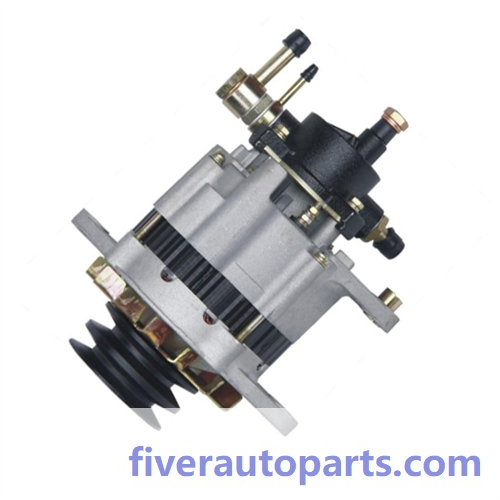
Part Number: 14650-00Q1H, 8200807472, 8200727115
Applications:
Nissan Navara NP300 D40 3.0 dCi 4WD 02.2010 -
Nissan Pathfinder III R51 3.0 dCi 08.2010 -
Navara NP300 Platform Chassis D40 3.0 dCi 03.2010 -
Infiniti EX Hatchback J50 09.2007 -
Infiniti M Saloon Y51 03.2010 -
Infiniti FX Off-Road S51 07.2008 -
Infiniti QX70 Off-Road 08.2013 -
Infiniti QX50 I J50 08.2013 -
Infiniti Q70 Y51 03.2013 -
Renault Laguna III Hatchback BT 10.2007 - 12.2015
Renault Laguna III Sport Tourer KT 10.2007 - 12.2015
Renault Laguna III Coupe DT 09.2008 - 12.2015
Renault Latitude Saloon 07.2010 -
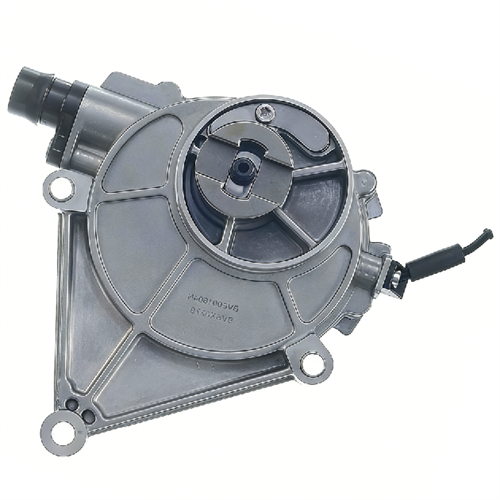
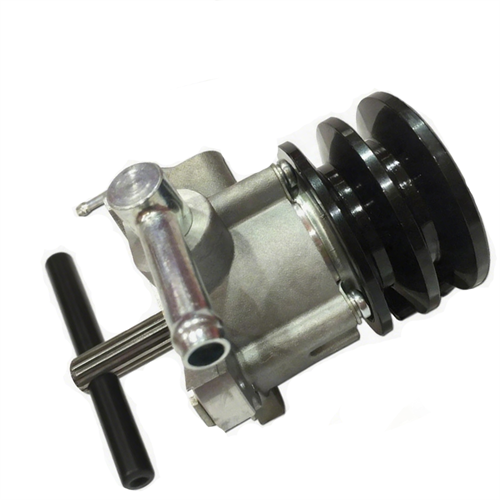
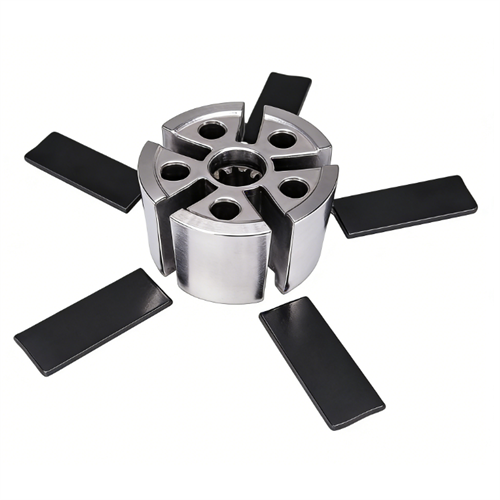
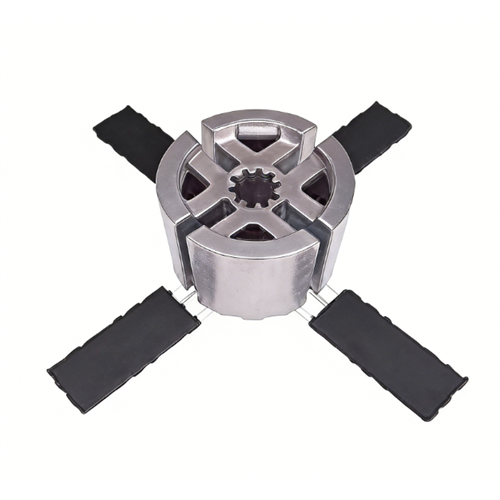
What is Vacuum Pump?
The brake booster vacuum pump provides the vacuum needed for the power brake booster to perform. If it fails or has a problem, the car will be left without assisted braking. Without the brake booster, the brake pedal will be stiff and will require more effort to stop the car. Vacuum boosters will probably be with us for a long time. It is the most efficient and economical way to amplify the force exerted by the driver. But where the booster gets its vacuum. Many auto parts providers have been using vacuum pumps to power the brake booster on their vehicles. For a vacuum brake booster to work, it needs a source of vacuum. In the past all that was needed was a port on the intake manifold. Now, vacuum pumps are the choice for negative pressure power.
◆ Custom design, new developing based on customer request is available.
Contact: Venshan
Phone: 15086654540
Tel: 023-81702127
Email: fiverhope1@gmail.com
Add: Jinyu Road #99, Yubei District, Chongqing ,China

 Fiver Autoparts
