Welcome: Fiver Autoparts Co., Ltd
Language:
 ∷
∷

∷
 ∷
∷
The brake system is a core safety assembly in every vehicle, and its operating condition directly affects driver and passenger safety. Across the global automotive aftermarket, brake‑related failures consistently rank among the most frequent repair scenarios, and the resulting replacement demand has become a long‑term growth driver for auto‑parts export business.
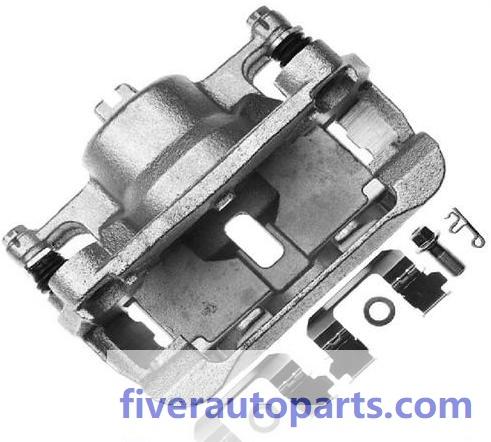
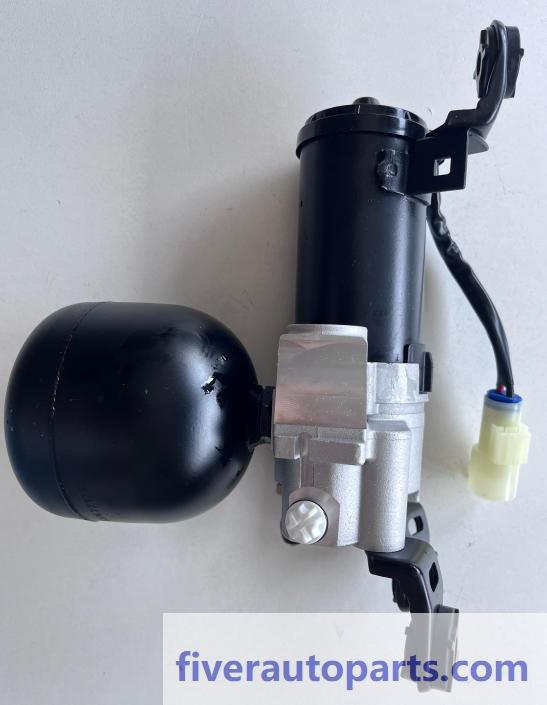
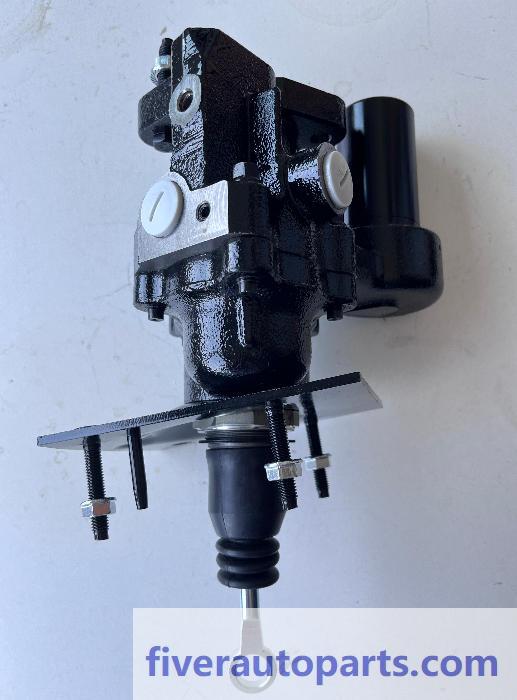
Feedback from repair workshops shows that brake system failures mainly fall into several typical patterns. The first is brake noise — sharp squealing or metallic grinding during braking, usually caused by excessively worn brake pads, overly hard pad material or grooved brake discs. Severe cases require simultaneous replacement of both pads and discs. The second is soft brake pedal or extended stopping distance, often linked to worn seals inside the brake master cylinder causing internal leakage, air trapped in brake lines, or degraded performance of the vacuum booster. Such failures usually require replacement of the master cylinder, booster or related sealing components. The third is pedal or steering‑wheel vibration during braking, mainly caused by warped or thickness‑varied brake discs, especially noticeable at high speeds; resurfacing or direct disc replacement is the typical solution. The fourth is brake caliper seizure or poor retraction, leading to uneven pad wear on one side and vehicle pulling. Root causes usually include corroded caliper pistons or dry guide pins, and repair options range from caliper repair kits to full caliper replacement.
Behind these common failures lies an extremely high requirement for part accuracy among overseas repair shops. Brake parts come in countless variants — the same vehicle model may use different OE numbers across different production years and trim levels. Selecting the wrong part leads at best to installation failure and at worst to safety incidents. In the past, many overseas buyers relied on experience for part selection, resulting in high mis‑shipment rates and return costs that eroded profits. In recent years, more and more buyers have begun to value suppliers' part‑number databases, requiring clear vehicle‑application tables, OE cross‑reference numbers, and even VIN‑based part lookup for precise matching.
For Chinese brake‑parts exporters, this trend brings both challenges and opportunities. The challenge lies in investing resources to organize massive vehicle data and build a complete OE matching system, ensuring every shipped part corresponds to the correct vehicle model and production year. The opportunity is that, once a precise and comprehensive part database is established, it significantly reduces customers' selection costs and after‑sales risks, creating a core barrier that differentiates a supplier from low‑price competitors and makes it easier to win long‑term repeat orders from overseas repair chains and auto‑parts wholesalers.
Industry observers point out that future competition in the brake‑parts aftermarket will shift from "having the part" to "having the right part, complete documentation and fast response." Suppliers that connect failure scenarios, part numbers and technical data will occupy a stronger position in the global aftermarket.
Contact: Venshan
Phone: 15086654540
Tel: 023-81702127
Email: fiverhope1@gmail.com
Add: Jinyu Road #99, Yubei District, Chongqing ,China

 Fiver Autoparts
